
Ledger.com/start® – Secure Your Ledger™ Wallet
Ledger.com/start helps users navigate Ledger hardware wallet setup with simple instructions for preparing devices, using Ledger Live, managing accounts, and following important security practices confidently.
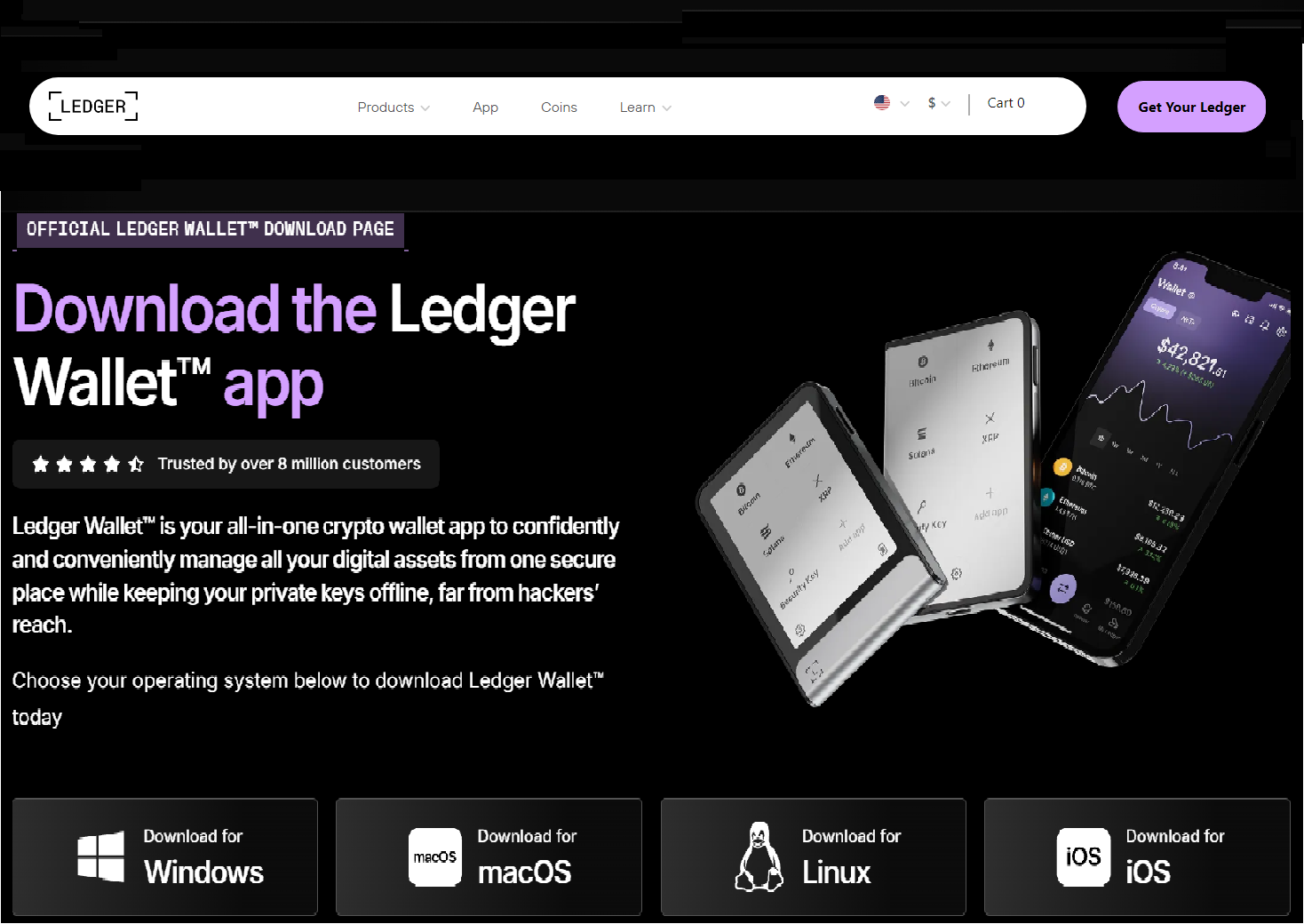
Ledger.com/start Guide: How to Set Up and Secure Your Ledger Wallet
Managing cryptocurrency safely starts with protecting the keys that give you control over your assets. A hardware wallet can add an important layer of protection by keeping sensitive wallet credentials separated from the devices you use every day. For new Ledger users, Ledger.com/start provides a useful starting point for learning how to initialize a Ledger device and begin managing supported digital assets.
Setting up a hardware wallet should not be rushed. The most important part is understanding what each security step does and making sure confidential recovery information is handled correctly. This guide explains the general Ledger setup process, the role of Ledger Wallet software, and the security practices that every new user should understand.
What Is Ledger.com/start?
Ledger.com/start is Ledger's setup resource for users beginning with a Ledger hardware wallet. It helps users access the appropriate software and follow the device initialization process.
A hardware wallet works differently from a traditional online wallet. Cryptocurrency itself remains recorded on a blockchain rather than being physically stored inside the device. The Ledger device is designed to safeguard the private keys used to authorize transactions.
This distinction is important because it explains why protecting the physical device and its recovery information matters so much. If someone obtains the information needed to recover your wallet, they may be able to gain control of the associated assets.
Getting Started With a Ledger Hardware Wallet
Before beginning the setup process, make sure you have your Ledger device and a compatible computer or mobile device available. It is best to begin with Ledger's official website instead of downloading wallet software from advertisements, unknown websites, or links received through messages.
Once you reach the official setup resources, follow the instructions provided for your particular Ledger model. Hardware-wallet features and software interfaces can change over time, so the instructions displayed for your device should always take priority over older online tutorials.
The setup process generally involves connecting the device, initializing it, creating security credentials, and preparing the wallet for supported cryptocurrency accounts.
Install the Official Ledger Wallet Software
The companion software gives users an interface for interacting with their Ledger device. Depending on the supported platform and current Ledger product lineup, users can access the wallet application on compatible desktop or mobile devices.
The software can help with tasks such as viewing account information, managing supported assets, reviewing transactions, and installing or managing compatible blockchain applications.
Downloading the application from an official Ledger source is an important security precaution. Search engines can display websites that imitate legitimate cryptocurrency services, so checking the domain before downloading software is always worthwhile.
Setting Up Your Device
During initialization, your Ledger device guides you through several security-related steps. One of the first tasks is usually establishing a device PIN.
The PIN provides a local layer of protection for the physical device. Select a PIN that is difficult for another person to guess, and avoid writing it somewhere that can easily be discovered alongside your hardware wallet.
More importantly, pay attention to instructions displayed on the actual Ledger device. A computer screen can potentially be manipulated by malicious software, while the hardware device provides an additional place to review important information before approving sensitive operations.
Understanding the Secret Recovery Phrase
The Secret Recovery Phrase is one of the most important parts of a Ledger wallet setup.
It acts as a backup that can be used to recover access to cryptocurrency accounts associated with the wallet. Because of its importance, it should be treated as highly confidential information.
Write the words down carefully during the legitimate initialization process and keep the backup somewhere secure and offline. Never post the phrase online, save it in an ordinary cloud document, send it through email, or share it through a messaging application.
You should also remember that legitimate support should not need your Secret Recovery Phrase. Anyone asking you to reveal it should be treated with extreme suspicion.
Why You Should Never Share Your Recovery Phrase
A common misconception among new cryptocurrency users is that customer support can verify ownership by requesting a recovery phrase. In reality, your recovery phrase is a secret that should remain under your control.
If somebody obtains it, the physical Ledger device may no longer be the only security concern. The recovery information can potentially be used to recreate access to the wallet elsewhere.
For that reason, no legitimate setup instruction should require you to type your recovery phrase into an unfamiliar website or give it to another person.
When troubleshooting a Ledger wallet, rely on official documentation and verified support channels rather than unsolicited assistance from strangers on social media.
Adding Cryptocurrency Accounts
After the initial setup is complete, you can use the Ledger Wallet application to manage supported cryptocurrency accounts.
Different blockchain networks can have different requirements, and the available assets may depend on the Ledger device, wallet software, and current network support. Follow the instructions provided within the current Ledger software rather than relying on outdated screenshots from third-party websites.
When receiving cryptocurrency, carefully check the receiving address before providing it to another person. When sending assets, review the transaction details carefully and confirm important information on your Ledger device before approving the transaction.
A few extra seconds of verification can help prevent mistakes.
Keep Your Ledger Software Updated
Software updates can introduce improvements, compatibility changes, and security-related fixes. For that reason, keeping your wallet software and compatible device components current is a sensible maintenance habit.
However, update prompts should be handled carefully. Fake update notices are a common technique used by scammers. If you receive a suspicious message asking you to update your wallet or enter confidential information, do not follow the supplied link automatically.
Instead, open the official Ledger website independently and check the available instructions.
Common Mistakes New Users Should Avoid
The setup process becomes safer when users understand the mistakes that scammers commonly exploit.
Never enter your Secret Recovery Phrase into a website because a pop-up or message claims it is required for synchronization. Never send your recovery words to someone claiming to be a Ledger employee. Avoid downloading wallet applications from unofficial sources.
It is also wise to verify cryptocurrency addresses before approving transactions. Blockchain transactions can be difficult or impossible to reverse once confirmed, so checking the details before signing is essential.
Another mistake is treating a hardware wallet as completely automatic security. A Ledger device can provide strong protection, but user behavior still matters. Poor recovery-phrase storage, careless approvals, and interaction with fake websites can undermine good hardware security.
Ledger.com/start and Long-Term Wallet Security
The initial setup is only the beginning of responsible cryptocurrency management. After configuring your device, develop a routine around security.
Keep your recovery backup protected from unauthorized access. Store the hardware wallet somewhere appropriate when it is not being used. Verify transaction details before approving them, and remain cautious about unexpected emails, websites, browser extensions, and social-media messages.
It is also useful to periodically review your wallet setup and make sure you understand which accounts and applications you are using.
Final Thoughts
Ledger.com/start can serve as a practical starting point for users who are setting up a Ledger hardware wallet. The process involves more than connecting a device and installing software. It also requires understanding PIN protection, recovery backups, transaction verification, and safe software practices.
The most important rule is simple: never give your Secret Recovery Phrase to anyone. Keep confidential information offline, use official Ledger resources, and carefully verify transactions before approving them.
When these habits become part of your normal cryptocurrency routine, a hardware wallet can provide a more controlled approach to managing digital assets. Taking the time to set up the device correctly today can help you avoid many common security mistakes later.
Updated about 4 hours ago